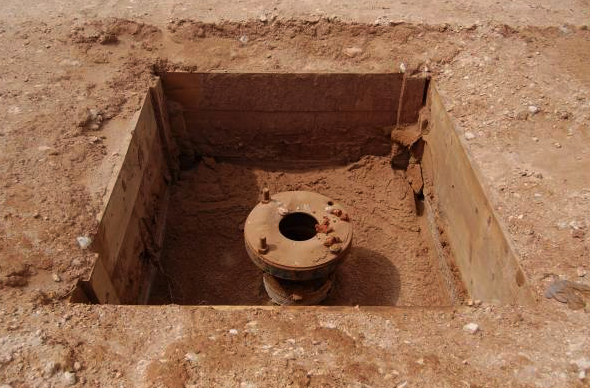
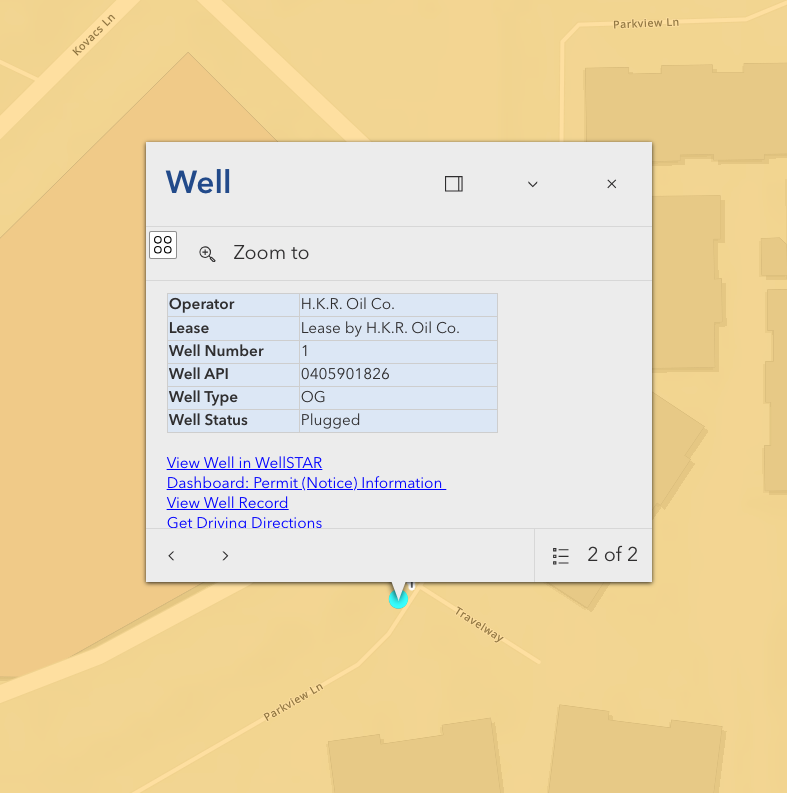
Orphaned and Abandoned Wells
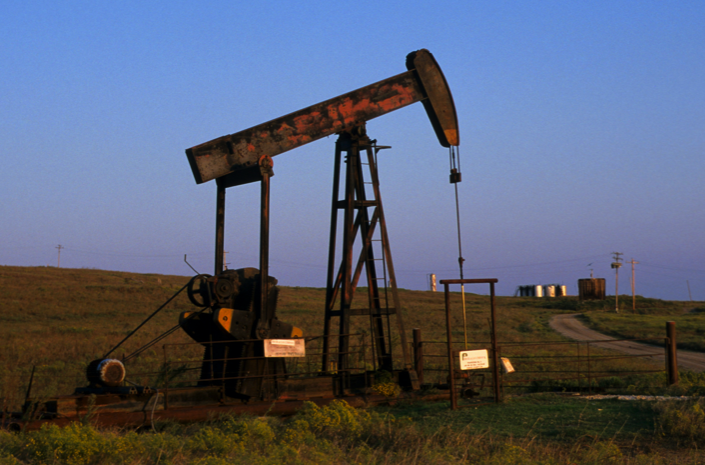
Abandoned oil and gas wells are significant sources of methane emissions, a greenhouse gas 25+ times more potent than carbon dioxide. These wells can leak methane through:
- Deteriorated casings
- Faulty cement jobs
- Corroded wellheads
- Natural ground shifts
- Poor initial construction
Well capping is a temporary solution that involves placing a mechanical seal or cap on top of a well to prevent immediate releases of oil, gas, or other substances. This method is often used as an emergency measure or interim solution until more permanent measures can be implemented.
Characteristics of Well Capping:
- Temporary solution
- Surface-level intervention
- Less expensive than plugging
- Requires ongoing monitoring
- May need periodic maintenance
- Does not address deeper well integrity issues
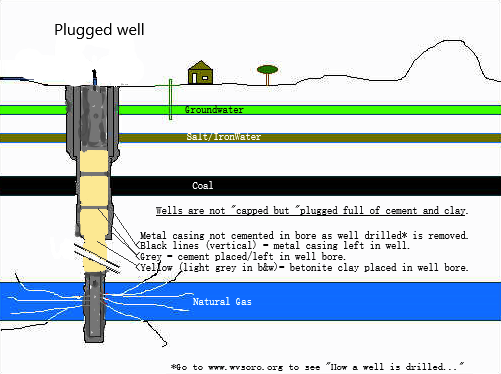
Well plugging is a permanent solution that involves filling the entire wellbore with cement and other materials to permanently seal it from top to bottom. This method ensures long-term isolation of underground formations and prevents fluid migration.
Characteristics of Well Plugging:
- Permanent solution
- Full-depth intervention
- More expensive than capping, but keep in mind its highly effective
- Requires specialized equipment and expertise
- Meets regulatory requirements for well abandonment
- Addresses entire well structure integrity
Unplugged or improperly capped wells pose several environmental risks:
- Groundwater contamination
- Air quality degradation from gas leaks
- Contribution to climate change through methane emissions
- Potential hazards to nearby communities due to uncontrolled gas release
The environmental impact of abandoned wells and their methane emissions has gained increasing attention in recent years. As efforts to combat climate change intensify, addressing these leaking wells is becoming a necessary priority.
Methane, being a potent greenhouse gas, contributes significantly to global warming, making it crucial to evaluate and remediate these abandoned sites.
Furthermore, the leaks can also introduce other harmful compounds into the surrounding environment, leading to long-term effects on local ecosystems and biodiversity. Hence, proper assessment and remediation strategies, including the application of well-plugging techniques, are vital to mitigate these risks.
Regulatory frameworks in many regions are evolving to reflect the need for responsible management of abandoned wells. State and federal agencies are increasing their capacity to identify and prioritize high-risk wells for inspection and eventual cleanup. Funding and resources for such remediation efforts are also growing, with public and private partnerships emerging to tackle the issue more effectively. Innovative technologies, such as advanced monitoring systems and remote sensing, are being employed to assess the integrity of these wells over time. The aim is to capture data that helps in making informed decisions about when and how to undertake remedial actions.Public awareness and community involvement are essential components of addressing the problem of abandoned wells. Grassroots organizations and environmental advocates play a pivotal role in educating the public about the risks associated with these sites. Engaging with local communities empowers them to advocate for responsible well management and hold regulators accountable.
Furthermore, citizen science initiatives can help in monitoring abandoned wells, providing valuable data to researchers and policymakers. Ultimately, a collaborative approach that includes all stakeholders—government, industry, scientists, and communities—can pave the way for effective solutions that minimize environmental damage and promote sustainable practices in oil and gas operations. In addition to public engagement, technological advancements are crucial in addressing the challenges associated with abandoned oil and gas wells. Innovations in well-plugging technologies have emerged, improving the efficiency and effectiveness of remediation efforts.
For instance, techniques such as hydraulic cement sealing and the use of advanced materials designed to withstand environmental pressures are becoming standard practice. These methods not only ensure the long-term integrity of plugged wells but also reduce the likelihood of future leaks or contamination. Moreover, the integration of machine learning and data analysis tools allows for better identification of at-risk sites, enabling targeted interventions that prioritize the most critical areas.
Plugging a well from the bottom to the top is costly and time consuming and takes many steps. A plugging company can easily get away with money-saving shortcuts, omissions of steps, negligence, failure to deal with unforeseen problems etc. That is because the work, or the inadequacy of it, is buried deep in the ground and is hidden forever unless someone was there watching the plugging company as it erred. The plugging company’s failures may only come to light later when a problem occurs – and then it may be hard to know for sure if the problem came from a poorly plugged well, or which well it is that was poorly plugged.
When wells are left unsealed, they can become pathways for oil, gas, or briny water to migrate into groundwater and soil. The equipment is a hazard for wildlife, livestock, and unsuspecting humans. But increasing attention is being paid to another risk — an unknown number of unplugged wells leak methane, a powerful greenhouse gas, 86 times more effective at heating up the planet than carbon dioxide over the first 20 years it’s in the atmosphere. At high enough concentrations, methane carries a risk of explosion, and it’s often accompanied by other chemicals that are dangerous to human health, like benzene, a known carcinogen linked to leukemia and low birth weights.