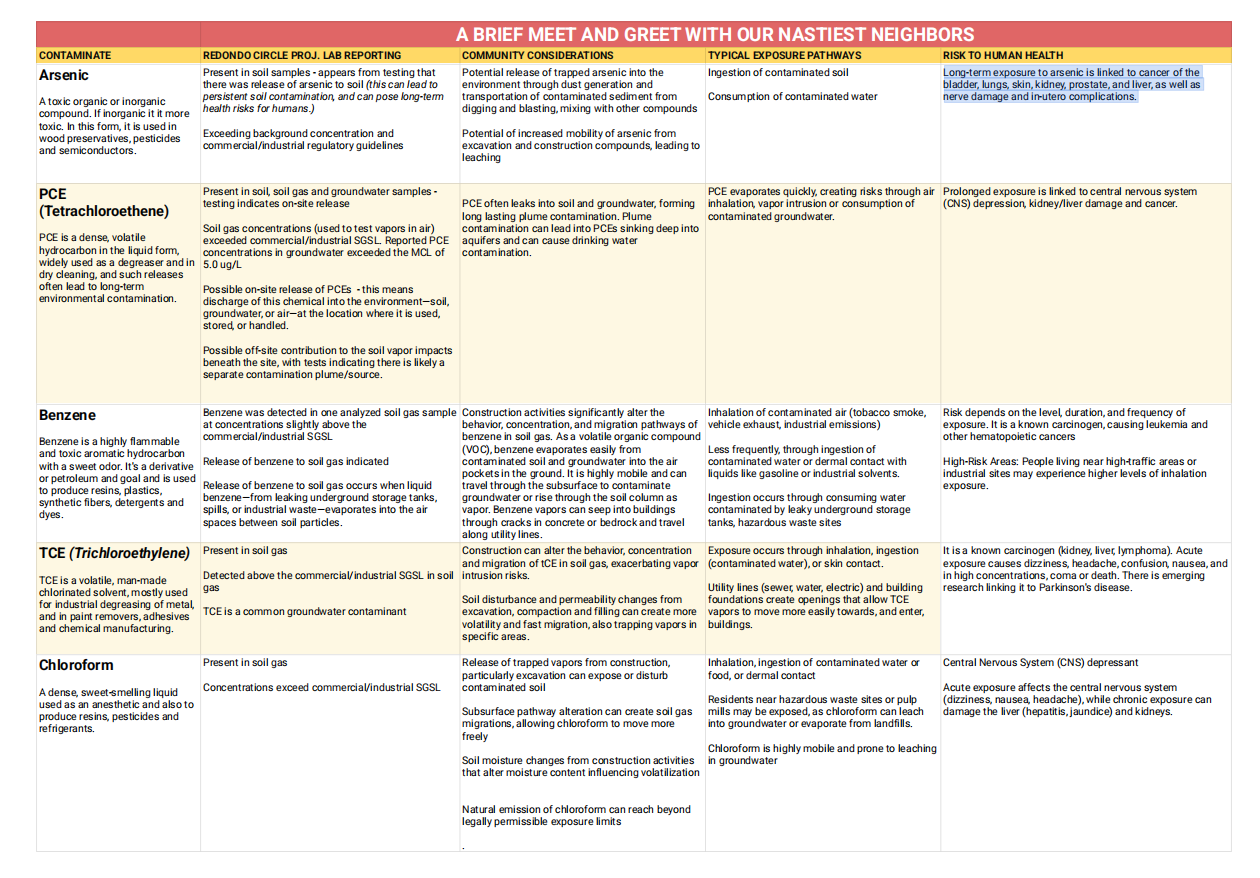
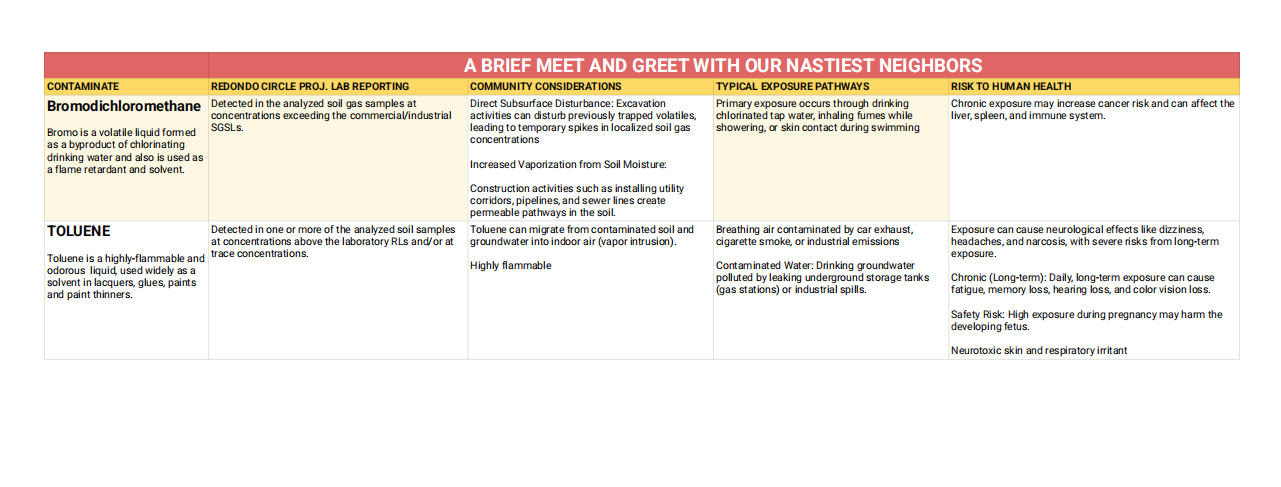
Partner performed a Phase II Subsurface Investigation Report (Phase II) for the Site, dated July 18, 2023, on behalf of Kelemen Company, to evaluate the potential impact of petroleum hydrocarbons (TPH), volatile organic compounds (VOCs), PCBs, polycyclic aromatic hydrocarbons (PAHs), herbicides, metals, methane, and/or hydrogen sulfide (H2S) to soil and/or soil gas as a consequence of a release or releases from the onsite operations and oil production activities in the Site vicinity. None of the analyzed soil samples contained TPH, VOCs, PCBs, PAHs, and/or chlorinated herbicides above applicable screening criteria. Arsenic was detected in one of the analyzed soil samples (B13-5) at a concentration of 17 milligrams per kilogram (mg/kg), which exceeds the background concentration of 12 mg/kg. None of the remaining metals were detected in the analyzed soil samples exceeding commercial/industrial screening levels and typical background concentrations for California soil.
Arsenic is a naturally occurring, semimetallic element widely distributed in the Earth’s crust. Arsenic levels in the environment can vary by locality, and it is found in water, air, and soil.There are two general forms of arsenic:
All arsenic is toxic to humans and can affect people of any age or health status.Because of its significance in global public health problems, studies of arsenic, arsenic metabolism, and the health effects associated with arsenic exposure are conducted by NIEHS, particularly through its Superfund Research Program (SRP). Many scientists, pediatricians, and public health professionals are concerned about the health effects of low-level exposures to arsenic in people. These health effects may be barely noticeable at first, but if exposure continues, severe long-term effects may result.
NIH Study https://www.niehs.nih.gov/health/topics/agents/arsenic