Bromodichloromethane Toxic Substance FOUND
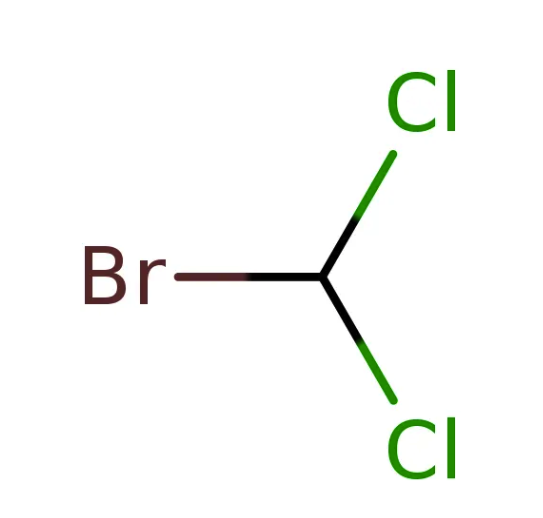
2/22/2024: Detected in the analyzed soil gas samples at concentrations exceeding the commercial/industrial SGSLs.
Substance: Bromodichloromethane is a volatile liquid formed as a byproduct of chlorinating drinking water and also is used as a flame retardant and solvent.
Exposure Pathways & Community Considerations: Direct Subsurface Disturbance: Excavation activities can disturb previously trapped volatiles, leading to temporary spikes in localized soil gas concentrations Increased Vaporization from Soil Moisture.
Construction activities such as installing utility corridors, and sewer lines create permeable pathways in the soil.
While not commercially produced in the United States, it remains a regulated contaminant in public water systems, with total trihalomethane concentrations limited to 80 ppb (µg/L) since 1998.
Risk to Human Health: Primary exposure occurs through drinking chlorinated tap water, inhaling fumes while showering, or skin contact during swimming.
Chronic exposure may increase cancer risk and can affect the liver, spleen, and immune system. NIH Report
This report presents a summary of work conducted by PARTNER. The work includes observations of site conditions encountered and the analytical results provided by an independent third-party laboratory of samples collected during the course of the project. The number and location of samples were selected to provide the required information. It cannot be assumed that the limited available data are representative of subsurface conditions in areas not sampled.
Conclusions and/or recommendations are based on the observations, laboratory analyses, and the governing regulations. Conclusions and/or recommendations beyond those stated and reported here in should not be inferred from this document.Partner warrants that the environmental consulting services contained herein were accomplished in accordance with generally accepted practices in the environmental engineering, science, geology, and hydrogeology fields that existed at the time and location of work.
- Footnotes:
Center of Disease Control: https://www.atsdr.cdc.gov/toxguides/toxguide-2.pdf
National Library of Medicine: https://www.ncbi.nlm.nih.gov/books/NBK609355/
Environmental Protection Agency: https://www.epa.gov/ccl/ccl-4-chemical-contaminants
EPA https://www.epa.gov/sites/default/files/2016-09/documents/tetrachloroethylene.pdf
National Library of Medicine: https://pmc.ncbi.nlm.nih.gov/articles/PMC3984230/
National Library of Medicine: Exposure Pathways https://www.ncbi.nlm.nih.gov/books/NBK225345/
EPA: Vapor Intrusion https://www.epa.gov/vaporintrusion/what-vapor-intrusion
CDC: https://wwwn.cdc.gov/TSP/ToxFAQs/ToxFAQsDetails.aspx?faqid=160&toxid=29
CDC: https://www.atsdr.cdc.gov/toxfaqs/tfacts3.pdf