Benzene Toxic Substance FOUND
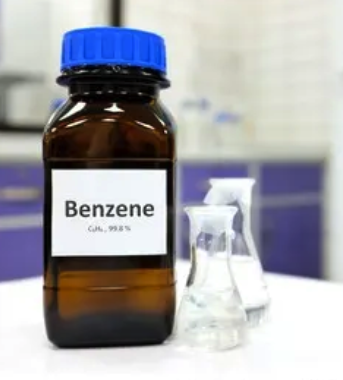
2/22/2024: Benzene was detected above its laboratory reporting limit (RL) in sample (B37-5’). Benzene was detected in one analyzed soil gas sample at concentrations slightly above the commercial/industrial SGSL Release of benzene to soil gas indicated. Release of benzene to soil gas occurs when liquid benzene—from leaking underground storage tanks, spills, or industrial waste—evaporates into the air spaces between soil particles.
Substance: Benzene is a highly flammable and toxic aromatic hydrocarbon with a sweet odor. It's a derivative or petroleum and goal and is used to produce resins, plastics, synthetic fibers, detergents and dyes
Exposure Pathways & Community Considerations: Construction activities significantly alter the behavior, concentration, and migration pathways of benzene in soil gas. As a volatile organic compound (VOC), benzene evaporates easily from contaminated soil and groundwater into the air pockets in the ground. It is highly mobile and can travel through the subsurface to contaminate groundwater or rise through the soil column as vapor. Benzene vapors can seep into buildings through cracks in concrete or bedrock and travel along utility lines.
Inhalation of contaminated air (tobacco smoke, vehicle exhaust, industrial emissions) Less frequently, through ingestion of contaminated water or dermal contact with liquids like gasoline or industrial solvents. Ingestion occurs through consuming water contaminated by leaky underground storage tanks, hazardous waste sites
Risk to Human Health: Risk depends on the level, duration, and frequency of exposure. It is a known carcinogen, causing leukemia and other hematopoietic cancers High-Risk Areas: People living near high-traffic areas or industrial sites may experience higher levels of inhalation exposure.
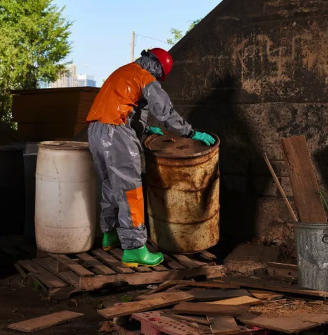
This report presents a summary of work conducted by PARTNER. The work includes observations of site conditions encountered and the analytical results provided by an independent third-party laboratory of samples collected during the course of the project. The number and location of samples were selected to provide the required information. It cannot be assumed that the limited available data are representative of subsurface conditions in areas not sampled.
Conclusions and/or recommendations are based on the observations, laboratory analyses, and the governing regulations. Conclusions and/or recommendations beyond those stated and reported here in should not be inferred from this document.Partner warrants that the environmental consulting services contained herein were accomplished in accordance with generally accepted practices in the environmental engineering, science, geology, and hydrogeology fields that existed at the time and location of work.
- Footnotes:
Center of Disease Control: https://www.atsdr.cdc.gov/toxguides/toxguide-2.pdf
National Library of Medicine: https://www.ncbi.nlm.nih.gov/books/NBK609355/
Environmental Protection Agency: https://www.epa.gov/ccl/ccl-4-chemical-contaminants
EPA https://www.epa.gov/sites/default/files/2016-09/documents/tetrachloroethylene.pdf
National Library of Medicine: https://pmc.ncbi.nlm.nih.gov/articles/PMC3984230/
National Library of Medicine: Exposure Pathways https://www.ncbi.nlm.nih.gov/books/NBK225345/
EPA: Vapor Intrusion https://www.epa.gov/vaporintrusion/what-vapor-intrusion
CDC: https://wwwn.cdc.gov/TSP/ToxFAQs/ToxFAQsDetails.aspx?faqid=160&toxid=29
CDC: https://www.atsdr.cdc.gov/toxfaqs/tfacts3.pdf