Arsenic Toxic Substance FOUND
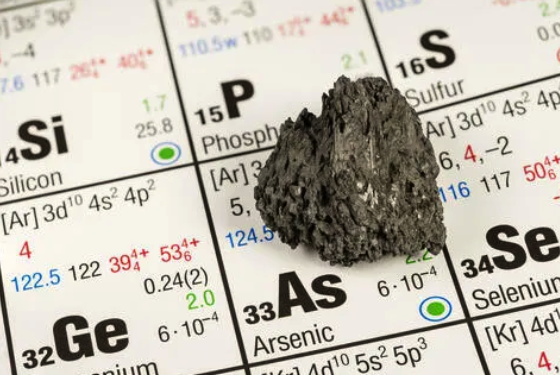
7/18/2023: Arsenic IS present in soil samples - appears from testing that there was release of arsenic to soil (this can lead to persistent soil contamination, and can pose long-term health risks for humans.) Exceeding background concentration and commercial/industrial regulatory guidelines.
~ Third Party testing PARTNER performed a Phase II Subsurface Investigation Report (Phase II) for the Site, dated July 18, 2023, on behalf of Kelemen Company, to evaluate the potential impact of petroleum hydrocarbons (TPH), volatile organic compounds (VOCs), PCBs, polycyclic aromatic hydrocarbons (PAHs), herbicides, metals, methane, and/or hydrogen sulfide (H2S) to soil and/or soil gas as a consequence of a release or releases from the onsite operations and oil production activities in the Site vicinity. None of the analyzed soil samples contained TPH, VOCs, PCBs, PAHs, and/or chlorinated herbicides above applicable screening criteria. Arsenic was detected in one of the analyzed soil samples (B13-5) at a concentration of 17 milligrams per kilogram (mg/kg), which exceeds the background concentration of 12 mg/kg. None of the remaining metals were detected in the analyzed soil samples exceeding commercial/industrial screening levels and typical background concentrations for California soil.~
Substance: A toxic organic or inorganic compound. If inorganic it it more toxic. In this form, it is used in wood preservatives, pesticides and semiconductors
Exposure Pathways & Community Considerations: Potential release of trapped arsenic into the environment through dust generation and transportation of contaminated sediment from digging and blasting, mixing with other compounds Potential of increased mobility of arsenic from excavation and construction compounds, leading to leaching.
Ingestion of contaminated soil. Consumption of contaminated water
Risk to Human Health: Long-term exposure to arsenic is linked to cancer of the bladder, lungs, skin, kidney, prostate, and liver, as well as nerve damage and in-utero complications. NIH article.
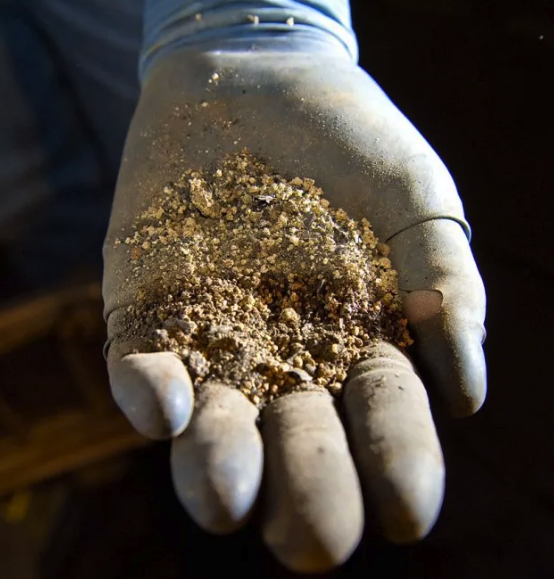
This report presents a summary of work conducted by PARTNER. The work includes observations of site conditions encountered and the analytical results provided by an independent third-party laboratory of samples collected during the course of the project. The number and location of samples were selected to provide the required information. It cannot be assumed that the limited available data are representative of subsurface conditions in areas not sampled.
Conclusions and/or recommendations are based on the observations, laboratory analyses, and the governing regulations. Conclusions and/or recommendations beyond those stated and reported here in should not be inferred from this document.Partner warrants that the environmental consulting services contained herein were accomplished in accordance with generally accepted practices in the environmental engineering, science, geology, and hydrogeology fields that existed at the time and location of work.
- Footnotes:
Center of Disease Control: https://www.atsdr.cdc.gov/toxguides/toxguide-2.pdf
National Library of Medicine: https://www.ncbi.nlm.nih.gov/books/NBK609355/
Environmental Protection Agency: https://www.epa.gov/ccl/ccl-4-chemical-contaminants
EPA https://www.epa.gov/sites/default/files/2016-09/documents/tetrachloroethylene.pdf
National Library of Medicine: https://pmc.ncbi.nlm.nih.gov/articles/PMC3984230/
National Library of Medicine: Exposure Pathways https://www.ncbi.nlm.nih.gov/books/NBK225345/
EPA: Vapor Intrusion https://www.epa.gov/vaporintrusion/what-vapor-intrusion
CDC: https://wwwn.cdc.gov/TSP/ToxFAQs/ToxFAQsDetails.aspx?faqid=160&toxid=29
CDC: https://www.atsdr.cdc.gov/toxfaqs/tfacts3.pdf