Privacy and Security

California surveillance camera laws balance property protection rights with individual privacy expectations. In 2025, these regulations have become more stringent, particularly in workplace environments and data privacy requirements.Property owners can legally install surveillance cameras in common areas such as entrances, parking lots, and hallways. However, video cameras must never be placed in private spaces where individuals have a reasonable expectation of privacy.
Additionally, California maintains its two-party consent requirement for audio recording, making it essential to notify all parties when surveillance includes sound capture capabilities. Adhering to these regulations ensures legal compliance, builds trust with tenants and employees, and prevents potentially costly legal disputes.
https://getsafeandsound.com/blog/security-camera-laws-in-california/
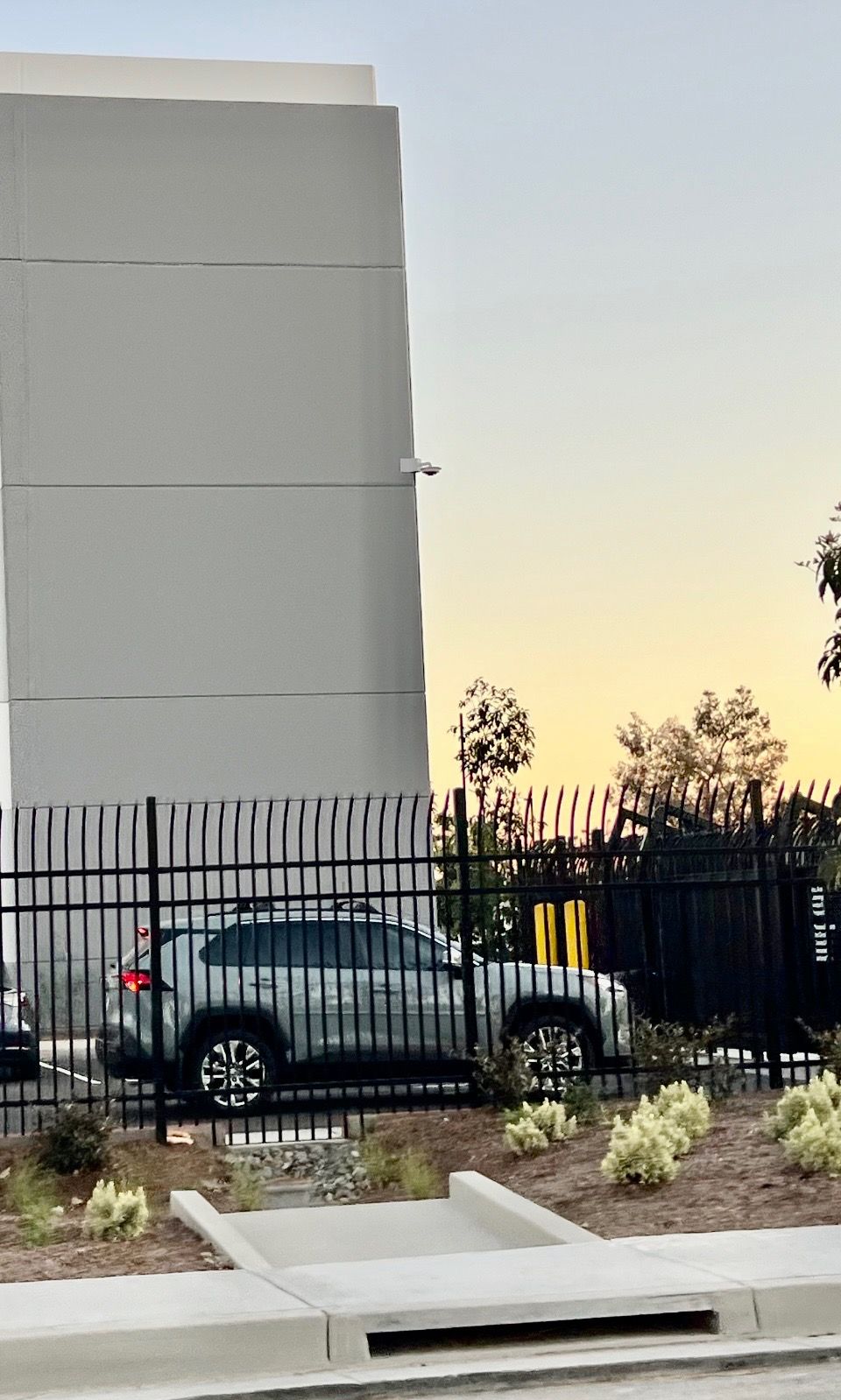
How much "security" will leak onto the private communities off Parkview and Taylor?